
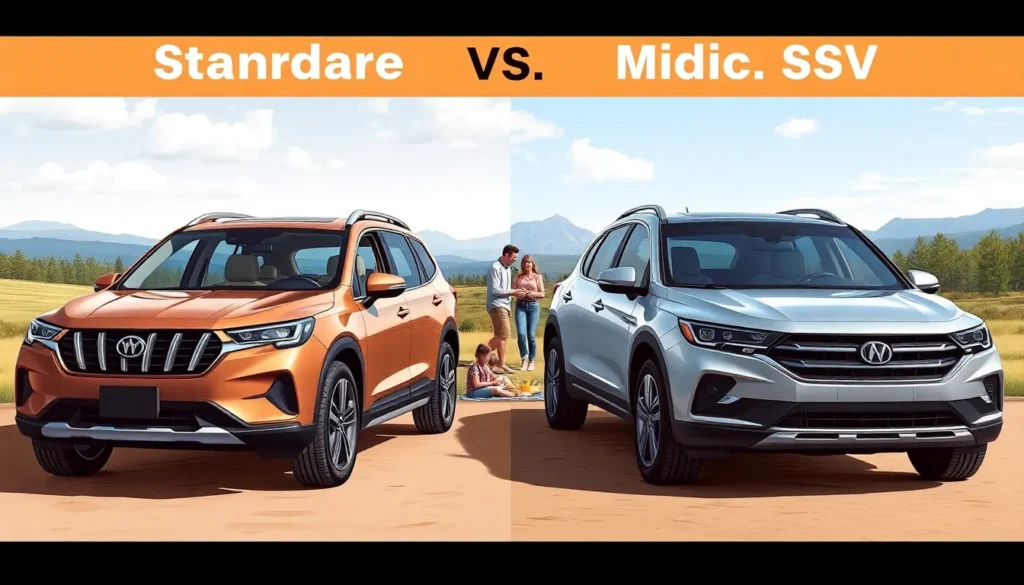

In the great automotive showdown of our time, the standard SUV and the midsize SUV are locked in an epic battle for your garage space. Both promise adventure and comfort, but which one truly deserves the crown? Whether you’re hauling kids, gear, or just your dreams of off-road glory, choosing the right SUV can feel like picking between a hearty steak and a gourmet burger—both delicious but oh-so-different.
Overview of Standard SUVs
Standard SUVs are known for their spacious interiors and versatile capabilities. These vehicles cater to families and adventure seekers alike, offering comfort and functionality.
Definition and Features
Standard SUVs typically feature a larger size compared to other SUV categories. They accommodate up to eight passengers, making them ideal for larger families or group travel. These vehicles often come with a higher ground clearance, which enhances off-road abilities. All-wheel drive options provide better traction in challenging conditions. Standard SUVs also prioritize cargo space, allowing for ample storage for gear or luggage. Safety features like advanced driver-assistance systems enhance passenger security, a consideration that many buyers value.
Popular Models
Several standard SUV models dominate the market, appealing to a wide range of consumers. The Chevrolet Tahoe stands out for its robust towing capacity and spacious third row. Ford Expedition offers similar features while providing advanced technology options. Toyota Sequoia is known for its reliability and longevity, appealing to families. Honda Pilot combines comfort with performance, making it a favorite for everyday driving. Nissan Armada offers luxury appointments, enhancing its appeal. Each of these models excels in various aspects, ensuring that buyers find a standard SUV that meets their needs.
Understanding Midsize SUVs
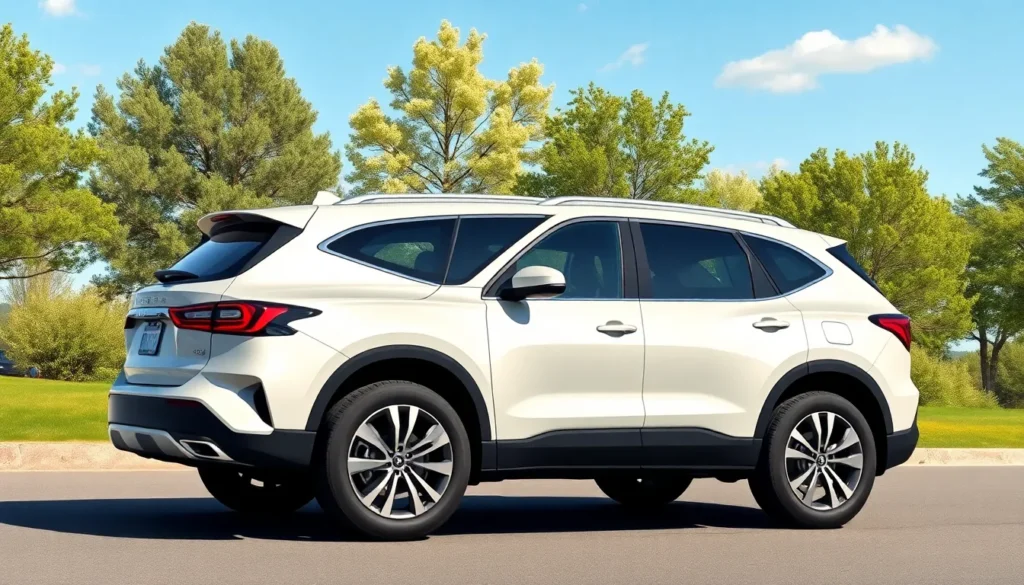
Midsize SUVs bridge the gap between compact and standard SUVs. These vehicles combine versatility, comfort, and efficient use of space, appealing to a range of drivers.
Definition and Features
Midsize SUVs typically accommodate five to seven passengers comfortably, ensuring ample legroom. Cargo capacity often ranges between 30 to 80 cubic feet, allowing flexibility for family gear or luggage. They’re designed for on-road and light off-road capabilities, featuring some options with all-wheel drive. Safety remains a priority, with many models including advanced driver-assistance systems. Fuel efficiency generally improves in midsize options compared to standard SUVs, making them suitable for daily commutes.
Popular Models
Several models stand out in the midsize SUV category. The Toyota Highlander provides a reputation for reliability and offers advanced safety features. Hyundai Santa Fe emphasizes value, packed with standard technology features. Ford Edge meets performance expectations, combining responsive handling with ample interior space. Honda Passport balances rugged capabilities with a user-friendly interface. Chevrolet Blazer offers a stylish design and a range of powerful engines. Each model caters to specific preferences while delivering practicality and comfort.
Key Differences Between Standard SUVs and Midsize SUVs
Standard SUVs and midsize SUVs differ significantly in size, space, performance, and handling. Understanding these differences helps buyers choose the right vehicle for their needs.
Size and Space Comparison
Standard SUVs typically offer larger dimensions compared to midsize SUVs. They generally provide seating for up to eight passengers, making them ideal for families or groups. In contrast, midsize SUVs accommodate five to seven passengers, prioritizing a balance between space and maneuverability. Cargo capacity varies too; standard SUVs often exceed 80 cubic feet, while midsize models range from 30 to 80 cubic feet. The increased cargo space in standard SUVs facilitates long road trips and outdoor adventures, where gear and equipment play significant roles. Midsize SUVs utilize their compact size to enhance city driving experience, easily fitting into tighter parking spaces.
Performance and Handling
Standard SUVs excel in off-road capabilities and towing capacity. Their robust designs and higher ground clearance support rough terrain traversing. Handling may feel different; they often present a more stable ride under diverse conditions. Midsize SUVs emphasize fuel efficiency and on-road comfort, appealing to daily commuters. Many midsize models feature all-wheel drive options for light off-road adventures while maintaining a smooth, agile driving experience. Overall, standard SUVs lean towards leveraging power and prowess, whereas midsize SUVs prioritize efficiency and everyday functionality.
Pros and Cons of Standard SUVs
Standard SUVs offer a variety of benefits and drawbacks that cater to different needs. Understanding these factors helps consumers make informed decisions.
Advantages
Standard SUVs provide ample space for passengers and cargo. Many models accommodate up to eight passengers comfortably. Higher ground clearance enhances off-road capability, making them suitable for adventure seekers. Advanced driver-assistance systems improve safety, giving drivers peace of mind. For families, the spacious interiors allow for easy transportation of kids and gear. Cargo capacity often exceeds 80 cubic feet, enabling the transport of large items. Notable models like the Chevrolet Tahoe and Ford Expedition shine in versatility and functionality.
Disadvantages
Standard SUVs tend to have lower fuel efficiency compared to midsize options. Typically, they consume more fuel due to their larger size and weight. Maneuverability in tight spaces becomes challenging, particularly in urban environments. Parking can prove difficult, especially in smaller areas. Higher purchase prices accompany many standard SUVs, which might exceed budget constraints for some buyers. Additionally, ride comfort may vary, with larger models sometimes compromising on smooth handling.
Pros and Cons of Midsize SUVs
Midsize SUVs offer a balance of practicality and versatility. They meet the needs of many drivers seeking comfortable and spacious vehicles.
Advantages
Midsize SUVs excel in fuel efficiency, making them ideal for daily commuting. They typically accommodate five to seven passengers, providing ample legroom for families. Cargo space ranging from 30 to 80 cubic feet allows for significant storage flexibility. Safety features are often prioritized with advanced driver-assistance systems, enhancing overall security. Many models come equipped with all-wheel drive options, offering capability for light off-road adventures. Versatility shines through with various trim levels and features catering to different preferences.
Disadvantages
Midsize SUVs may lack the extensive cargo capacity of standard SUVs, limiting storage during larger trips. Off-road performance can be less robust compared to their standard counterparts, restricting adventurous outings. Some models might prioritize comfort over power, leading to a less engaging driving experience. Additionally, while they provide decent towing capacity, it’s usually lower than that of standard SUVs. Price points can vary, with higher trims approaching the cost of standard SUVs, diminishing the value proposition for some buyers. These aspects should be considered when exploring options in this category.
Choosing between a standard SUV and a midsize SUV ultimately hinges on individual needs and lifestyle preferences. Standard SUVs excel in space and off-road capabilities making them ideal for families and adventure enthusiasts. They offer the power and versatility required for various activities.
On the other hand midsize SUVs provide a balanced option for those prioritizing fuel efficiency and daily driving comfort. Their compact size enhances maneuverability while still delivering ample space for passengers and cargo.
Both categories have their unique strengths ensuring there’s an SUV for every type of driver. By weighing the advantages and disadvantages of each type consumers can confidently select the SUV that best aligns with their requirements.


