
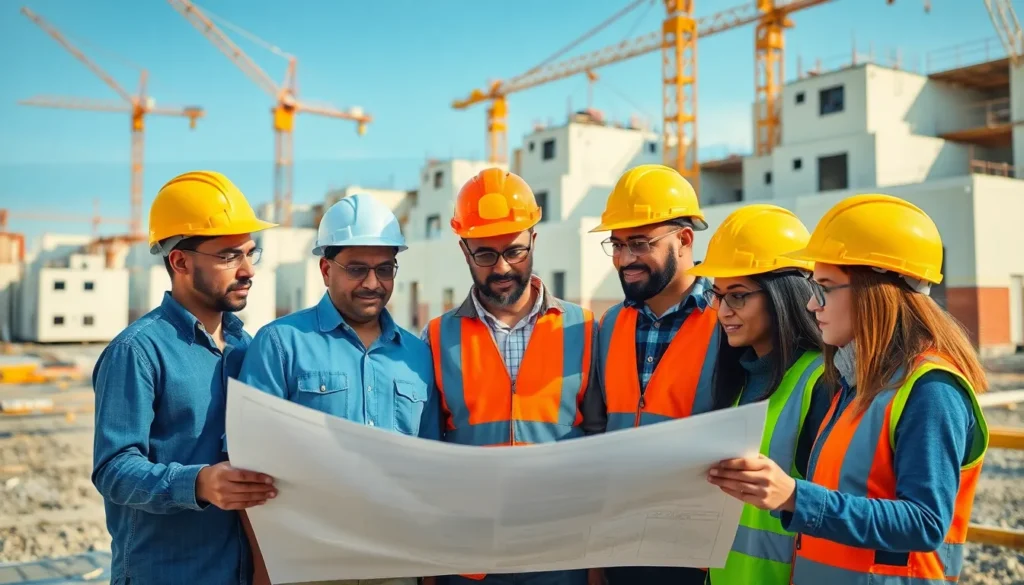

In a world where every square foot counts, the construction industry is evolving faster than you can say “blueprint.” New construction strategies are shaking up the status quo, making building projects not just smarter but also more efficient. It’s like giving your old toolbox a makeover with the latest gadgets—who wouldn’t want that?
Imagine slashing costs while boosting sustainability. Sounds like a dream, right? Well, it’s time to wake up! With innovative techniques and cutting-edge technology, builders are redefining what’s possible. Whether it’s modular designs or advanced project management tools, these strategies are not just trends; they’re the future of construction. Let’s dive into how these new approaches can transform not just structures, but the entire industry.
Overview Of New Construction Strategy
New construction strategies focus on enhancing efficiency, sustainability, and adaptability in the industry. Emerging techniques prioritize modular designs, allowing for faster assembly and reduced waste on-site. Advanced project management tools improve collaboration among stakeholders, leading to timely decision-making and streamlined processes.
Sustainable practices are now a vital component of new construction strategies. Implementing green building materials and energy-efficient systems contributes to lower operational costs and a reduced carbon footprint. Developers adopting these strategies not only meet regulatory requirements but also attract environmentally conscious customers.
Technology plays a significant role in this evolution. Drones and 3D modeling software enable precise measurements and detailed visualizations. Integrating smart technology into buildings enhances user experience and promotes automation in energy management.
Data analytics further enhances construction strategy by providing insights into project performance and resource utilization. This information allows for better planning and risk management, reducing delays and budget overruns. Companies leveraging data-driven decision-making can optimize their operations effectively.
Investing in workforce training is equally important. Skilled labor equipped with the latest knowledge and tools helps companies stay competitive. Enhanced training programs ensure workers adapt to new technologies and methodologies seamlessly.
Successful new construction strategies also emphasize collaboration across disciplines. Early involvement of architects, engineers, and contractors fosters innovation and improves project outcomes. Such teamwork not only addresses challenges proactively but also strengthens relationships among project stakeholders.
Overall, adopting new construction strategies transforms the industry landscape, setting a foundation for future growth and resilience.
Key Components Of New Construction Strategy

New construction strategies entail various components that optimize project outcomes. Significant aspects include planning and design as well as material selection.
Planning and Design
Successful planning and design establish the foundation for efficient construction. Collaboration among architects, engineers, and contractors ensures seamless integration of ideas. Each team member contributes unique expertise, facilitating innovative solutions that address client needs. Utilizing advanced software for 3D modeling allows stakeholders to visualize projects early. Early identification of challenges minimizes delays and rework, saving time and costs. Prioritizing adaptability in designs accommodates future modifications or expansions. Furthermore, sustainable design principles encourage energy efficiency and long-term savings.
Material Selection
Material selection significantly impacts construction efficiency and sustainability. Choosing eco-friendly materials reduces environmental footprints and attracts conscious consumers. Options like recycled steel and sustainable wood enhance structural integrity while minimizing waste. Evaluating material performance ensures durability and lowers maintenance requirements. Suppliers providing green building certifications support informed choices. Cost-effectiveness also plays a pivotal role; higher-quality materials often yield lower lifecycle costs. Each selection contributes to the overall project goals, enhancing value for investors and end-users alike. Investing in the right materials fosters resilience and long-lasting structures.
Benefits Of New Construction Strategy
New construction strategies provide significant advantages that enhance project outcomes. These benefits include cost efficiency and sustainability.
Cost Efficiency
Cost efficiency stands out as a primary benefit of new construction strategies. Enhanced methods result in reduced labor and material costs, which lower overall project expenses. For instance, modular designs allow for off-site assembly, minimizing on-site labor time and associated costs. Advanced project management tools further streamline workflows, helping teams identify and eliminate inefficiencies. Improved collaboration among stakeholders leads to timely decision-making, preventing costly delays. Data analytics also offers insights that guide resource allocation, optimizing expenditure throughout the project lifecycle.
Sustainability
Sustainability defines another key advantage of new construction strategies. These approaches prioritize eco-friendly practices, contributing to a healthier environment. The use of green building materials reduces the carbon footprint of structures. For example, recycled steel and sustainable wood options not only mitigate waste but also enhance project appeal to environmentally conscious consumers. Implementing energy-efficient systems lowers operational costs, benefiting both the environment and occupants. Embracing innovative technologies, including smart energy management systems, leads to resource conservation and improved performance, aligning with contemporary sustainability goals.
Challenges In Implementing New Construction Strategy
New construction strategies face several challenges that can hinder their success. Understanding these obstacles is crucial for organizations aiming for innovation and efficiency.
Regulatory Hurdles
Regulatory hurdles present significant challenges in implementing new construction strategies. Compliance with local, state, and federal regulations can prolong project timelines. Each jurisdiction has its own codes, which often require extensive documentation and approval processes. Mixed-use developments frequently face zoning restrictions that complicate designs. Balancing innovation with regulatory compliance becomes essential for project success. Moreover, frequent updates to regulations demand continuous monitoring. Staying informed reduces the risk of unexpected delays or penalties.
Skilled Labor Shortage
Skilled labor shortages pose a critical challenge for the construction industry. Many regions experience a lack of qualified workers, affecting project timelines and quality. Training programs often fall short in addressing the demand for skilled labor. Companies face difficulties recruiting experienced workers who are proficient in new technologies and methods. Retraining existing staff can take time and resources, further complicating project execution. Adopting automation or prefabricated components can ease reliance on manual labor, but this shift requires initial investment. Collaboration with educational institutions can help bridge skill gaps and foster a more competent workforce.
Future Trends In New Construction Strategy
Technological integration leads the way in future construction strategies. Augmented reality and virtual reality offer immersive experiences for stakeholders, enhancing design visualization and facilitating decision-making. Innovations in prefabrication allow companies to produce components off-site, reducing waste and increasing efficiency.
Sustainability remains a top priority. The adoption of renewable energy sources like solar panels and wind turbines in new projects exemplifies this trend. Water conservation technologies, including rainwater harvesting systems, further contribute to eco-friendly building practices.
Data-driven decision-making plays a significant role in shaping construction strategies. Advanced analytics tools provide valuable insights into project performance, enabling real-time adjustments that enhance outcomes. Machine learning algorithms predict potential risks, allowing for proactive management and improved efficiency.
Collaboration frameworks also experience evolution. Integrated project delivery models foster strong partnerships among architects, contractors, and clients, streamlining processes and breaking down silos. This teamwork leads to innovative solutions that address both design and cost challenges.
Investment in building information modeling (BIM) continues to rise. BIM enhances coordination among teams, minimizes errors, and fully visualizes projects throughout their life cycles. Urban planning incorporates smart city principles, utilizing IoT technology to connect infrastructure, improving resource management and providing real-time data to residents.
Workforce development focuses on upskilling employees. Offering training in advanced technologies equips labor forces to adapt to evolving industry demands. Inclusion in training programs also helps bridge the skills gap in construction, fostering a more skilled workforce that aligns with new strategy needs.
Each of these trends demonstrates a clear movement toward a more efficient, sustainable, and collaborative construction future.
New construction strategies are revolutionizing the industry by prioritizing efficiency and sustainability. As technology continues to advance the way projects are managed and executed, companies are better equipped to meet the demands of a changing market. The integration of innovative techniques not only enhances project outcomes but also attracts a new generation of environmentally conscious consumers.
Emphasizing collaboration and workforce development is essential for overcoming challenges like skilled labor shortages. By investing in training and utilizing advanced tools, the construction industry can ensure its future success. As these strategies evolve, they promise to create a more resilient and sustainable built environment, paving the way for continued growth and innovation.


