
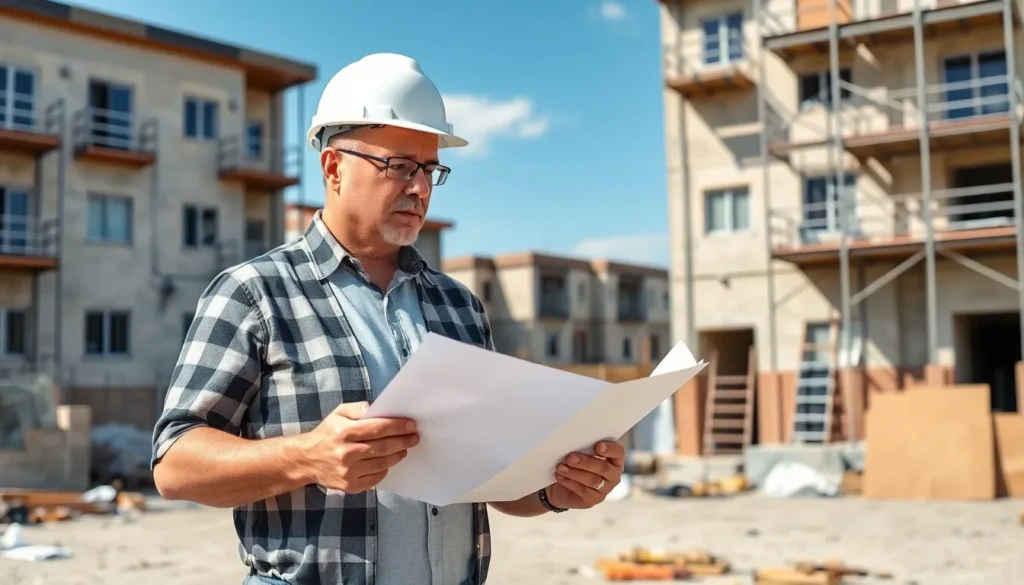

Rehabbing multi-unit properties can feel like juggling flaming torches while riding a unicycle. It’s a wild ride, but with the right tips, you can turn that chaos into a well-orchestrated performance. Whether you’re a seasoned pro or a newbie, understanding the nuances of multi-unit rehab can save time, money, and maybe even your sanity.
Overview Of Multi-Unit Rehab
Rehabbing multi-unit properties presents unique challenges and complexities. Project managers identify scopes of work, timelines, and budgets to maintain organization. Understanding the market demand for rental units guides decisions on upgrades and renovations.
Communication plays a crucial role in coordinating between contractors and stakeholders. Ensuring that everyone is on the same page helps minimize delays and confusion. Prioritizing tasks, such as structural repairs followed by cosmetic updates, leads to more efficient operations.
Budgeting accurately improves project outcomes. It’s essential to factor in potential unexpected expenses during the rehab process. Obtaining multiple quotes from contractors can identify competitive pricing and services.
Time management significantly impacts the success of a multi-unit rehab. Creating a detailed project timeline keeps all aspects on track. Anticipating possible delays, such as permit approvals, prepares teams for adjustments.
Maintaining quality control throughout the process ensures the final product meets standards. Frequent inspections during various project phases prevent costly future repairs. Engaging a certified inspector can provide additional peace of mind.
Furthermore, understanding local regulations ensures compliance and prevents legal issues. Familiarity with zoning laws and building codes is vital before starting construction. Utilizing local resources for permits and inspections streamlines the process.
Implementing these strategies equips individuals with the tools needed to navigate multi-unit rehab successfully. Setting clear expectations and maintaining open lines of communication contributes to smoother operations. Each step, from planning to execution, influences the overall success and profitability of the project.
Essential Considerations For Multi-Unit Rehab

Successful multi-unit rehab starts with strategic planning. Key factors such as location and property condition significantly influence project outcomes.
Location Selection
Selecting the right location serves as a foundation for multi-unit rehab success. Proximity to amenities increases property appeal, attracting tenants readily. Access to public transportation enhances convenience, boosting occupancy rates. Researching neighborhood trends reveals potential for appreciation; areas with increasing demand often yield better returns. Consider proximity to schools, shopping centers, and employment hubs for long-term rental desirability. Analyze competition within the market as well; understanding local rental rates informs pricing strategies. Thorough due diligence ensures informed decisions lead to favorable outcomes.
Property Condition Assessment
Evaluating a property’s condition is essential before committing to renovation efforts. Inspect structural integrity, plumbing, and electrical systems to identify necessary repairs. Documenting existing issues allows for accurate cost estimations, preventing budget overruns. Engaging professional inspectors provides expertise in uncovering hidden problems, which saves money long-term. Assessing the condition of units also helps prioritize renovations based on urgency and tenant needs. Estimate timelines carefully by factoring in the extent of required repairs. A comprehensive assessment supports effective planning and resource allocation.
Effective Planning Strategies
Effective planning strategies streamline the rehab process for multi-unit properties. Prioritizing budgeting and timeline development helps ensure project success.
Budgeting For Multi-Unit Rehab
Budgeting requires a thorough analysis of all potential costs. Hefty expenses often arise during renovations, so incorporating a contingency fund of 10% to 20% of the total budget accounts for unexpected issues. Multiple contractor quotes offer insights into competitive pricing. Organizing costs by category—labor, materials, permits—provides clarity. Frequent reviews of expenses against the budget maintain control. Accurate estimates from professionals guide investment decisions, ensuring expenses align with potential returns. Engaging with financial experts strengthens fiscal planning, ultimately maximizing investment potential.
Timeline Development
Timeline development plays a crucial role in keeping projects on schedule. Setting clear milestones allows teams to measure progress effectively. He or she should break down the overall project into smaller, manageable phases. Assigning deadlines for each phase prevents delays from cascading throughout the project. Regular evaluation of timelines against actual progress identifies bottlenecks early. Incorporating buffer time for unexpected delays accommodates setbacks without jeopardizing the overall schedule. Coordinating with contractors and suppliers ensures everyone understands their roles and timelines, fostering collaboration and efficiency.
Renovation Tips For Multi-Unit Properties
Success in multi-unit rehab hinges on smart renovation strategies. These tips focus on maximizing space and upgrading utilities.
Maximizing Space Efficiency
Optimizing layout can significantly enhance functionality within each unit. Implementing open floor plans allows for better light distribution and a more spacious feel. Efficient storage solutions like built-in shelving and multi-purpose furniture maximize available square footage. Planning for common areas encourages interaction among tenants while also boosting the property’s appeal. Assessing each unit’s flow helps identify underutilized spaces, transforming them into valuable functional areas. Utilizers might consider creative room configurations to meet diverse tenant needs.
Upgrading Utilities And Infrastructure
Upgrading electrical, plumbing, and HVAC systems ensures reliability. Prioritizing energy-efficient appliances can reduce long-term operational costs for both owners and tenants. Engaging licensed professionals is crucial for compliance with local codes and safety standards. Replacing outdated fixtures and systems may enhance property value significantly. Installing smart home technology not only attracts modern tenants but also increases convenience. Ensuring reliable internet and cable access serves as a selling point for potential renters. Regular maintenance updates can prevent costly repairs in the future.
Successfully rehabbing multi-unit properties requires a blend of strategic planning and effective management. By prioritizing communication and collaboration among all involved parties, individuals can navigate the complexities with greater ease. Staying organized with budgets and timelines helps mitigate potential setbacks.
Emphasizing quality control and compliance ensures that projects not only meet standards but also enhance long-term value. With the right approach, even the most challenging rehab projects can transform into profitable investments. Adapting these tips can empower anyone to tackle multi-unit rehabs confidently and efficiently.


