


In today’s fast-paced world, real estate agents can’t afford to rely solely on traditional marketing methods. With buyers scrolling through listings while sipping their morning coffee, it’s clear that digital marketing is the new king of the castle. If agents want to stand out in a sea of competition, they need to embrace the digital landscape like a cat embraces a sunny windowsill.
Understanding Real Estate Digital Marketing
Real estate digital marketing involves leveraging online channels to promote properties and connect with potential buyers. Its significance grows as consumers increasingly utilize the internet for property searches.
Definition and Importance
Real estate digital marketing refers to the strategic use of online tools to showcase properties and engage with clients. Key elements include website optimization, social media marketing, and content creation. Its importance lies in reaching a broader audience, improving visibility, and enhancing customer engagement. Agents who embrace these strategies can respond to inquiries faster, adapt to market changes, and increase lead generation opportunities effectively.
Key Components
Several core components form the foundation of effective real estate digital marketing. A well-designed website serves as the primary platform, featuring user-friendly navigation and rich property listings. Search engine optimization enhances visibility on search engines, driving more organic traffic. Social media channels provide agents with avenues to build relationships and share valuable content. Email marketing allows for direct communication with prospects, providing tailored property updates. Additionally, virtual tours and high-quality imagery engage users and showcase properties compellingly. Each component contributes significantly to overall marketing success.
Strategies for Effective Digital Marketing
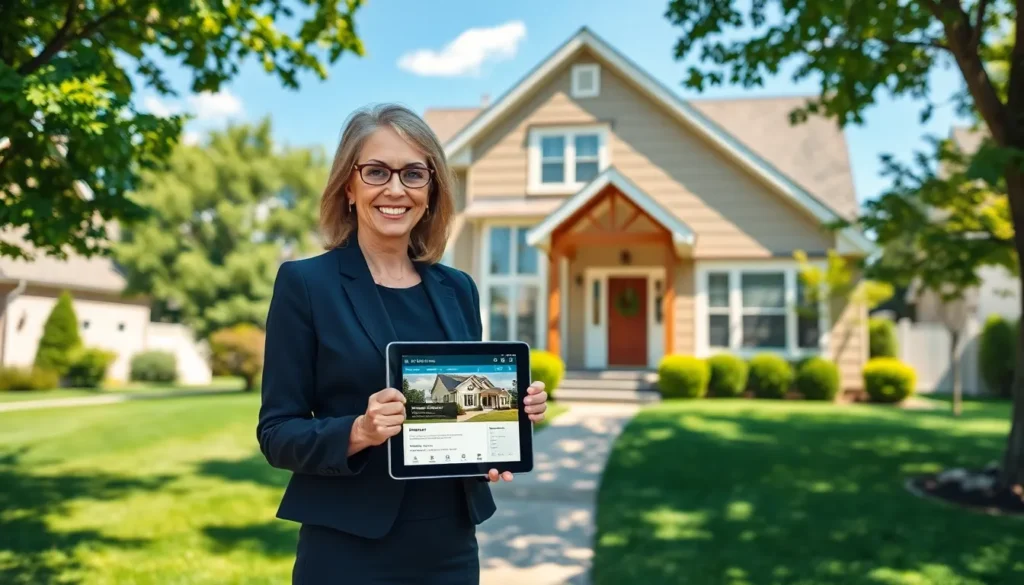
Effective digital marketing strategies are crucial for real estate agents aiming to thrive in a competitive market. A proactive approach enhances visibility and engagement with potential buyers.
Search Engine Optimization (SEO)
SEO plays a vital role in increasing online visibility. Agents must optimize their websites for relevant keywords related to their local markets. Focusing on aspects like site speed and mobile responsiveness improves user experience. Additionally, incorporating local SEO tactics ensures the website appears in local searches. Utilizing tools like Google Analytics aids in tracking performance and adjusting strategies based on user behavior. Regularly updating content, such as blog posts related to housing trends, keeps the website fresh and relevant.
Content Marketing
Content marketing fosters trust and establishes credibility among potential buyers. Agents should create high-quality articles, videos, and infographics that address common questions about buying and selling property. Developing neighborhood guides can also engage clients by showcasing local amenities. Regularly posting valuable content drives traffic to the website. Email newsletters featuring market updates and new listings keep clients informed and encourage repeat visits. Tailoring content to meet the needs of the target audience enhances engagement and generates leads.
Social Media Marketing
Social media marketing allows agents to connect with clients on popular platforms. Creating engaging posts and sharing property listings increases visibility. Video content, including virtual tours, captures attention and provides an interactive experience for users. Collaborating with local influencers can expand reach and target specific demographics. Consistently engaging with followers by responding to comments and messages fosters trust. Running targeted ads on platforms like Facebook and Instagram effectively generates leads while showcasing unique properties.
Tools and Platforms for Real Estate Digital Marketing
Effective real estate digital marketing relies on various tools and platforms that enhance engagement and streamline processes. Utilizing these resources allows agents to connect better with potential clients.
CRM Software
Customer relationship management software plays a vital role in organizing and managing client interactions. Top CRM tools like Salesforce and HubSpot help agents track leads and automate follow-ups. Managing customer data efficiently improves communication and fosters relationships. Integration with marketing platforms allows for seamless data sharing and enhances the overall digital marketing strategy.
Social Media Platforms
Social media platforms serve as essential channels for building brand awareness and engaging with potential buyers. Facebook, Instagram, and LinkedIn each provide unique features tailored for real estate marketing. Facebook’s targeted advertising enables agents to reach specific demographics, while Instagram’s visual focus showcases properties effectively. LinkedIn offers networking opportunities and enhances professional connections within the industry. Posting regularly and engaging with followers builds trust and attracts buyers.
Email Marketing Services
Email marketing services remain crucial for nurturing leads and maintaining client relationships. Platforms like Mailchimp and Constant Contact offer user-friendly options for creating newsletters and promotional campaigns. Personalization techniques, such as segmenting email lists, allow agents to tailor content to specific audiences. Utilizing automated campaigns for property updates or market trends ensures consistent communication. Tracking performance metrics helps refine strategies and improve engagement over time.
Measuring Success in Real Estate Digital Marketing
Measuring success in real estate digital marketing relies on identifying key metrics and utilizing effective tools. Realtors track performance to maximize their strategies and enhance ROI.
Key Performance Indicators (KPIs)
KPIs serve as essential metrics in assessing the effectiveness of digital marketing efforts. Common KPIs include website traffic, conversion rates, and lead generation. Monitoring user engagement on social media platforms is crucial; likes, shares, and comments reflect audience interest. Other important metrics, like click-through rates and email open rates, provide insight into the effectiveness of email campaigns. Analyzing these indicators allows agents to adjust strategies for improved performance over time. Setting specific, measurable goals ensures that agents focus on impactful areas, ultimately driving success in their marketing endeavors.
Analytics Tools
Analytics tools play a critical role in gathering data and providing insights into marketing performance. Google Analytics offers comprehensive website traffic analysis, including user behavior and demographics. Utilizing Facebook Insights helps agents evaluate the impact of social media campaigns by tracking post engagement and reach. Similarly, email marketing platforms such as Mailchimp provide valuable metrics on campaign performance, including open and click rates. Leveraging these tools enables agents to make data-driven decisions and enhance their marketing strategies. Tracking trends and patterns over time helps identify opportunities for improvement and reassessment of digital marketing tactics.
Embracing digital marketing is essential for real estate agents looking to thrive in a competitive landscape. By leveraging the right tools and strategies agents can effectively connect with potential buyers and enhance their visibility online.
The integration of SEO, social media, and content marketing not only builds brand awareness but also fosters trust and engagement with clients. With the right analytics in place agents can continuously refine their approach ensuring they meet the evolving needs of today’s tech-savvy consumers.
In a market where online presence is paramount those who adapt to digital marketing trends will undoubtedly stand out and succeed.


