
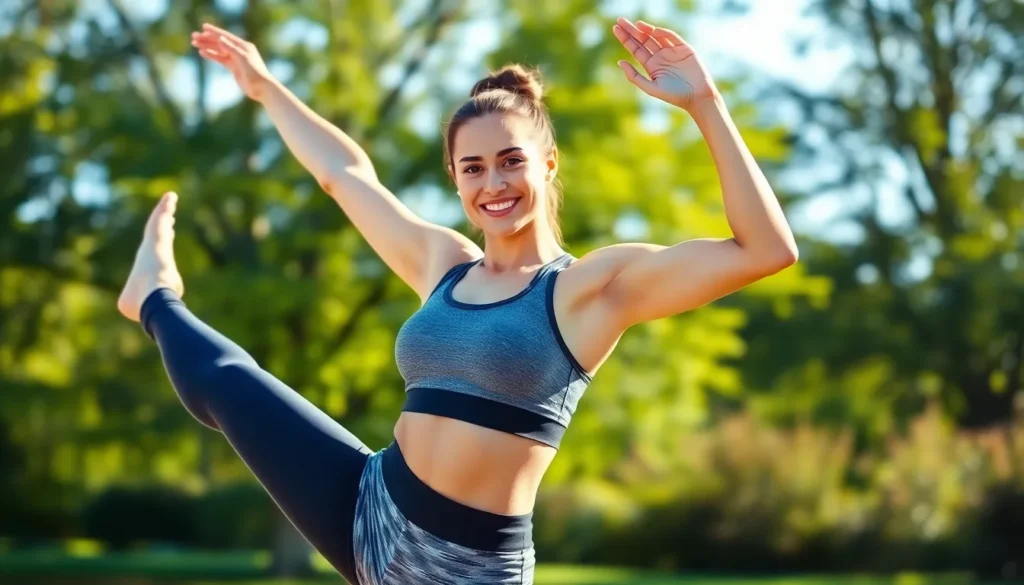

In a world where kale smoothies reign supreme and gym selfies are the norm, finding the right fitness magazine can feel like searching for a unicorn in a haystack. But fear not! The perfect blend of inspiration, information, and a sprinkle of humor is just a page flip away. Fitness magazines have evolved from simple workout guides into treasure troves of knowledge, offering everything from expert tips to the latest trends in health and wellness.
Overview of Fitness Magazine
Fitness magazines serve as essential tools for enthusiasts and professionals seeking to enhance their understanding of health and wellness. These publications cover a wide array of topics, including workout routines, nutritional advice, and mental health strategies.
Many fitness magazines now include expert interviews, offering insights from trainers, nutritionists, and wellness coaches. These features help readers stay updated on the latest trends and evidence-based practices. Regular columns often provide tips on maintaining motivation, setting realistic goals, and balancing fitness with everyday life.
Readers can expect to find visually appealing layouts filled with vibrant images and engaging content. Articles delve into various fitness disciplines, such as yoga, strength training, and cardiovascular workouts. Popular magazines often cater to different demographics, targeting beginners, athletes, or specific interests like bodybuilding or holistic health.
Fitness magazines also address emerging health trends, ensuring that readers are aware of the latest diets, fitness technologies, and wellness practices. Subscriber feedback plays a vital role in shaping content, as magazines regularly adapt to meet the evolving interests of their audience.
In addition to practical tips, fitness magazines foster community by showcasing success stories and challenges from real individuals. They encourage readers to share their journeys, thereby creating a supportive environment. By blending inspiration with actionable information, these publications continue to evolve, helping fitness enthusiasts navigate their paths to better health.
Content and Features
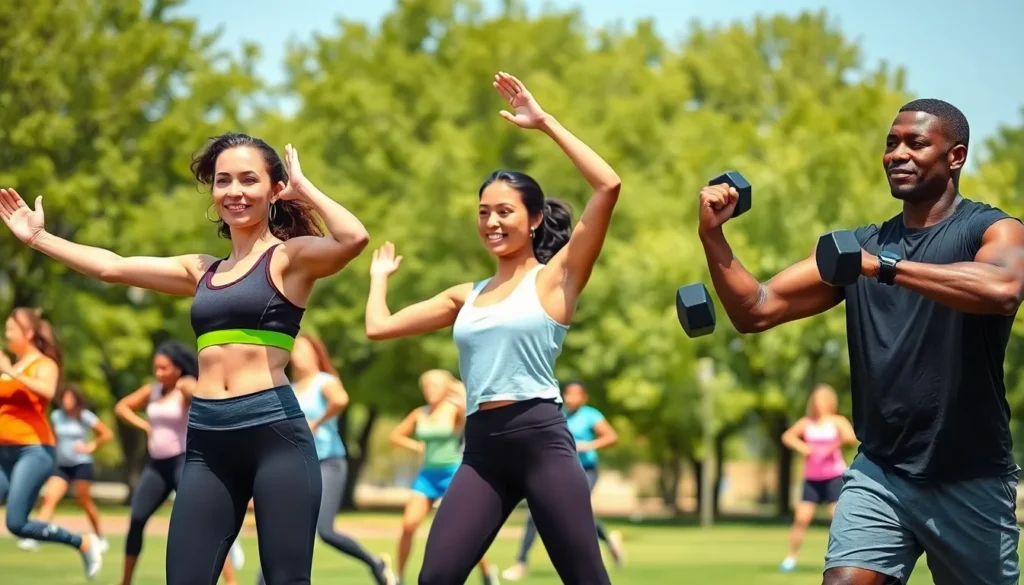
Fitness magazines offer a rich array of resources to their readers, delivering valuable insights on health and wellness. They encompass various topics, ensuring enthusiasts and professionals alike find relevant information.
Articles and Tips
Readers discover well-researched articles that address diverse aspects of fitness. These features often include expert tips on improving workout efficiency or enhancing mental well-being. Additionally, columns on motivation help individuals set and achieve their goals. Engaging narratives showcase success stories from real readers, offering inspiration and relatable experiences.
Workout Plans
Comprehensive workout plans cater to different fitness levels, making them accessible to all. Each plan outlines specific exercises aimed at achieving targeted results, whether for weight loss or muscle gain. Many magazines also incorporate visual elements to enhance understanding, such as infographics or step-by-step instructions. Regularly updated routines reflect the latest trends and techniques, ensuring workouts remain fresh and effective.
Nutrition Advice
Nutrition advice forms a core component of fitness magazines, guiding readers toward healthier choices. Articles cover topics like meal prepping, nutrition facts, and dietary strategies for various goals. The integration of recipes promotes practical application, allowing individuals to easily incorporate nutritious meals into their lifestyles. Expert opinions enrich these discussions, lending credibility and clarity to nutritional guidelines.
Target Audience
Fitness magazines cater to a diverse audience, including fitness enthusiasts, health professionals, and individuals exploring wellness. Adults aged 18 to 50 often represent a significant portion of the readership. These magazines attract both beginners seeking guidance and advanced athletes looking for specialized information.
Women frequently engage with fitness magazines, drawn to content that emphasizes balanced lifestyles, nutrition tips, and motivational stories. Medical studies show women are more likely to prioritize health and wellness advice, impacting magazine topics. They prefer features that blend fitness routines with mental health strategies, ensuring a holistic approach.
Men also comprise a sizable audience. Many are interested in strength training, muscle building, and nutritional supplements. They benefit from workout plans specifically designed for different fitness levels. Magazines often highlight expert interviews tailored to male readers’ preferences, showcasing successful transformation stories.
Age demographics influence readership as well. Older adults seek content focused on low-impact exercises and healthy aging practices. Articles featuring adaptive workouts and nutrition guides for seniors resonate with this group. Engaging narratives and relatable content keep older readers motivated and informed.
Readers from various backgrounds appreciate visually appealing layouts and engaging narrative styles. Visual aids, such as infographics and workout illustrations, enhance understanding and retention. Fitness magazines consistently provide diverse content that aligns with the interests and needs of their audience, ensuring relevance in an ever-changing wellness landscape.
Comparing Fitness Magazine with Other Publications
Fitness magazines differ from other health-related publications by focusing specifically on workout routines and nutrition advice. Unlike general wellness magazines, fitness-focused issues feature targeted content tailored for various fitness levels. Readers find specialized sections dedicated to strength training, flexibility, and cardio, offering in-depth insights not typically present in broader publications.
Nutritional content stands out in fitness magazines, delivering practical meal plans and recipes that align with specific fitness goals. Articles include expert perspectives on macronutrients and meal prepping techniques, which some other publications might only touch upon superficially. By integrating these resources, fitness magazines provide a comprehensive approach to well-being that encourages healthier lifestyle choices.
In contrast to sports magazines, fitness magazines prioritize personal transformation stories. They highlight relatable success narratives from readers who overcame challenges through commitment to fitness. These stories inspire readers to follow suit and pursue their individual health journeys, creating a sense of community that many publications lack.
Another point of distinction lies in the expertise behind the articles. Fitness magazines often feature contributions from certified trainers, nutritionists, and mental health professionals. This expert-backed approach ensures that the advice given is not only practical but scientifically grounded, unlike anecdotal content found in other lifestyle publications.
Visual design elements in fitness magazines also enhance the reader experience. Infographics and illustrations simplify complex workout techniques and nutritional guidelines, promoting clarity. Other publications might not prioritize such visual aids, making fitness magazines more engaging and informative for readers seeking specific knowledge in health and wellness.
Overall, fitness magazines serve a unique niche by blending evidence-based information with practical advice, fostering both motivation and understanding among readers in their quest for improved health.
Fitness magazines play a vital role in the health and wellness landscape. They not only provide expert advice and comprehensive workout plans but also inspire readers through personal transformation stories. With a focus on engaging content and visually appealing layouts, these magazines cater to a diverse audience seeking practical information tailored to their specific needs.
As the fitness industry continues to evolve, so do these publications. They’re committed to delivering the latest trends and research to help individuals navigate their wellness journeys. By fostering a sense of community and motivation, fitness magazines remain essential resources for anyone looking to enhance their understanding of health and fitness.


